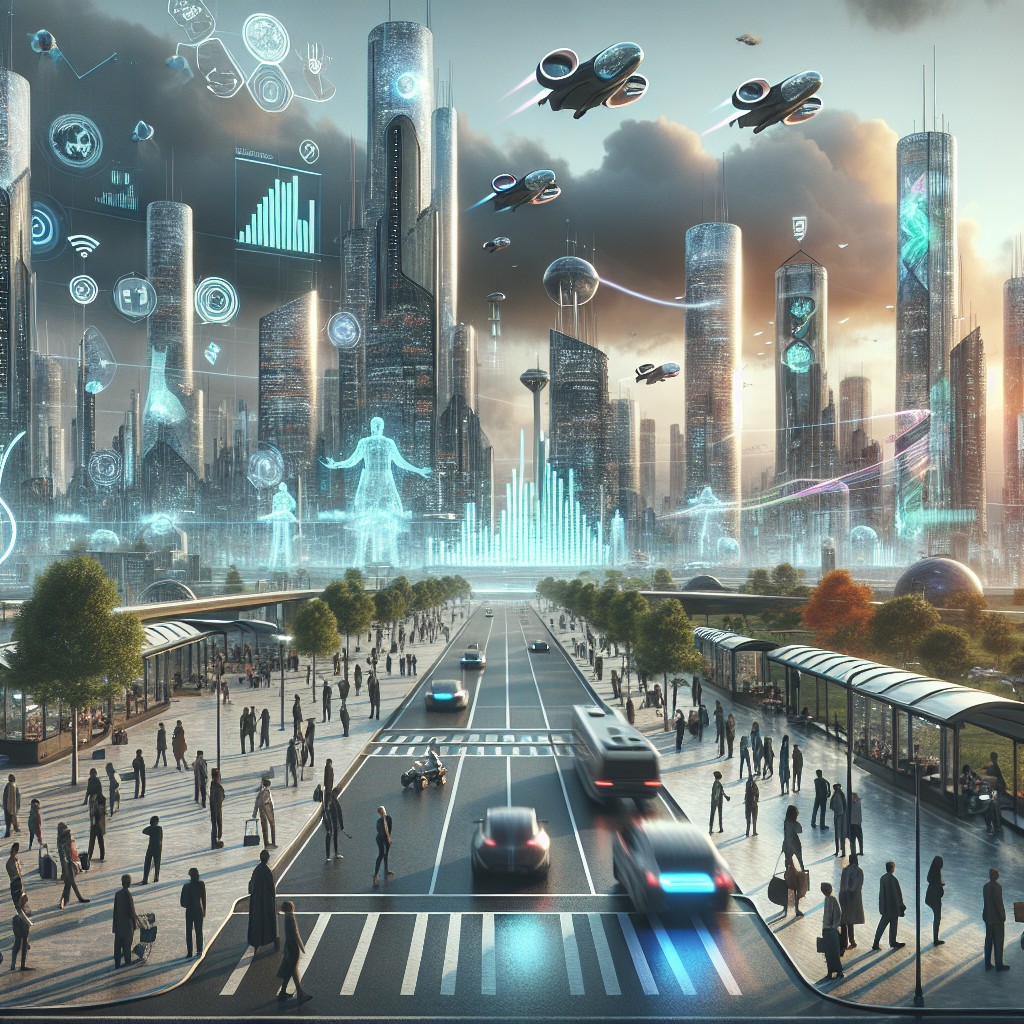
As we approach 2026, various global economic and geopolitical dynamics are poised to influence daily living costs worldwide. Understanding the global outlook for this period is essential for policymakers, businesses, and consumers seeking to navigate the evolving financial landscape.
Inflationary Trends and Energy Prices
One of the most significant factors impacting the global outlook for 2026 is the expected trajectory of inflation, particularly in relation to energy costs. Despite recent stabilization efforts, fluctuations in oil and gas markets driven by geopolitical tensions and supply adjustments will likely contribute to volatility in consumer prices. As energy constitutes a substantial portion of daily expenses—from transportation to heating—shifts here have direct repercussions on overall living costs.
Supply Chain Resilience and Commodity Availability
Disruptions in global supply chains experienced during the early 2020s have prompted nations and corporations to reassess and diversify sourcing strategies. By 2026, these adjustments may lead to greater resilience but could also entail higher operational expenses, reflected in the cost of goods. Commodity availability, particularly of raw materials critical for manufacturing and agriculture, remains a pivotal concern influencing daily cost structures across regions.
Technological Advances and Automation Impact
Technological progress, especially in automation and artificial intelligence, is set to reshape production and service sectors by 2026. While these innovations could reduce some costs through increased efficiency, the transition may also trigger labor market shifts and necessitate new investments. Consequently, the effect on consumer prices and daily expenses will vary depending on industries and regional adoption rates.
Climate Change Policies and Environmental Regulations
Global commitments to address climate change have accelerated the introduction of stricter environmental regulations. These measures, aimed at reducing carbon emissions and fostering sustainable development, are expected to influence costs in sectors like transportation, agriculture, and energy. Compliance expenses and shifts toward greener alternatives might cause price adjustments, thereby affecting everyday spending.
Geopolitical Dynamics and Economic Stability
Political developments and international relations remain integral to the global outlook for 2026. Trade agreements, conflicts, and policy decisions will play determinative roles in economic stability. Regions experiencing political unrest or economic sanctions may see pronounced impacts on daily costs, whereas stable environments could foster more predictable pricing patterns.
In summary, the global outlook for 2026 indicates that a complex blend of inflationary pressures, supply chain evolution, technological change, environmental regulation, and geopolitical factors will collectively shape daily expenses. Stakeholders should monitor these forces carefully to anticipate cost developments and adjust strategies accordingly.
Frequently Asked Questions about global outlook
What key factors define the global outlook for 2026?
The global outlook for 2026 is defined by inflation trends, energy prices, supply chain resilience, technological advancements, environmental policies, and geopolitical dynamics, all influencing daily costs.
How might energy prices affect daily living costs according to the global outlook?
Energy prices, influenced by supply and geopolitical events, directly impact transportation, heating, and production costs, thereby affecting the overall daily expenses forecasted in the global outlook.
What role does technology play in shaping the global outlook?
Technological advances, particularly automation and AI, can both reduce and increase costs depending on industry adaptation, influencing consumer prices highlighted in the global outlook.
Why are climate change policies significant in the 2026 global outlook?
Climate policies enforce regulations that may increase production costs or shift consumption patterns, thus affecting prices and daily spending as projected in the global outlook.
Can geopolitical instability alter the global outlook on daily costs?
Yes, geopolitical instability can disrupt trade and economies, leading to price volatility and affecting the global outlook regarding daily expenses in 2026.